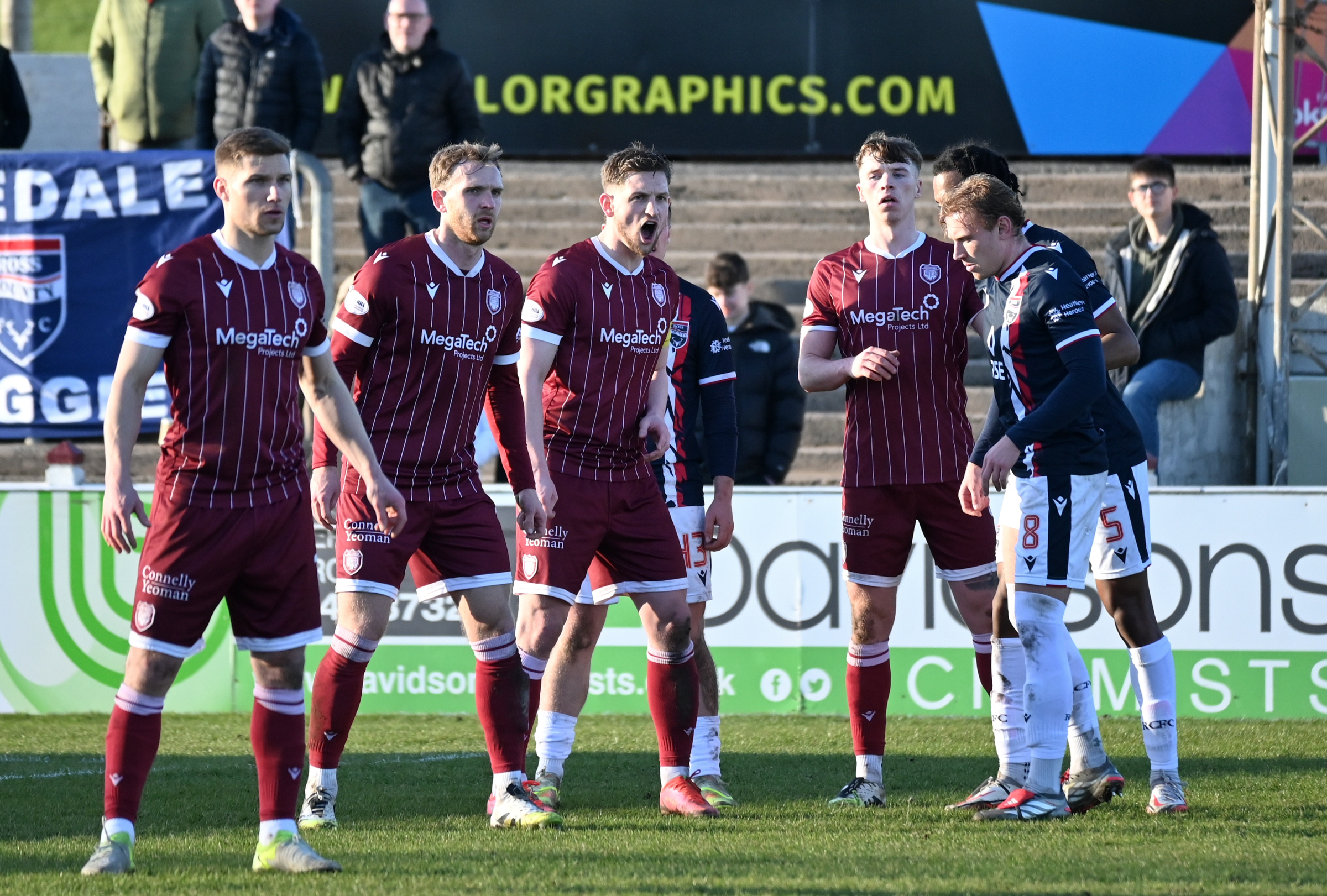
Football fans hear plenty about promotion and relegation, but the Scottish football pyramid is about more than league tables and end-of-season nerves.
For clubs like Arbroath, it can shape ambition, finances, attendances and the wider mood around the town. It is not just a structure that decides who goes up and who goes down. It is a system that can affect the whole community.
At its simplest, the pyramid is the connected league structure of Scottish football. It gives clubs a route to climb higher through results on the pitch, while also carrying the risk of dropping down if a season goes the wrong way. That movement is what keeps the game competitive, but it also means every campaign carries real weight.
Promotion is the reward for progress. Relegation is the cost of falling short. Simple enough on paper. In reality, though, both can have a huge impact far beyond the dressing room.
For a club like Arbroath, promotion can bring fresh excitement, bigger challenges and a stronger spotlight. It can lift crowds, raise the club’s profile and create momentum that stretches well beyond matchday. Supporters feel it, sponsors notice it and the town talks about it. A club on the up gives people something to rally round.
Relegation, meanwhile, is never just a football matter either. It can affect budgets, recruitment and confidence. It can change the feeling around a club in a matter of months. That is the hard truth of the pyramid system: it offers opportunity, but it also demands resilience.
That is why the pyramid matters so much to community clubs. For the biggest sides, movement between levels is a major sporting and financial story. For clubs rooted in their towns, it can feel even more personal than that.
Arbroath is a club with a proper connection to its community. That is one of the things that makes Scottish football what it is. These clubs are not distant brands. They are part of the local fabric. They are part of people’s weekends, part of family routines and part of the identity of the place itself.
When things are going well on the pitch, there is often a lift off it too. More supporters through the gate means more noise, more energy and, in many cases, more custom for local businesses before and after games. Pubs, cafes, shops and businesses all feel the benefit of a busy matchday. It gives the town a buzz. There is a reason football success often seems to brighten the whole place up a bit.
That wider impact is not limited to turnstiles, local shops and matchday spending. Modern football also sits inside a broader digital economy, where clubs, sponsors and supporters are all engaging online in different ways. From streaming subscriptions and ticketing platforms to betting partnerships and changing payment habits, the game now stretches well beyond the ninety minutes. Supporters increasingly research how they spend online too, whether that is on travel, entertainment or services linked to the wider football world, with some choosing to compare UK casinos that accept phone bill payments as part of that shift towards convenience and mobile-first spending.
And it is not only about money. There is pride in seeing a local club compete, improve and hold its own. There is pride in pulling on the scarf, turning up with family and feeling part of something that belongs to the town. A strong football club can give a community a focus, a shared story and a sense of belonging that is hard to measure but easy to recognise.
That is what makes the pyramid such an important part of the Scottish game. It keeps hope alive. It gives clubs a reason to push. It means success is not sealed off to a chosen few, and it means every point won or lost carries meaning.
For supporters, promotion and relegation are often talked about in terms of drama. The run-in. The pressure. The joy or the gut punch at the end. But underneath that, there is something more lasting. League movement can influence how a club plans, how it grows and how it connects with the people around it.
Arbroath know better than most that football is rarely just about what happens between 3pm and 5pm on a Saturday. A club’s fortunes can echo across the week and across the town. That is true whether the conversation is about results, attendances, youth pathways, local pride or simply the feeling of having something worth getting behind.
So when people talk about the Scottish football pyramid, they are really talking about possibility. The chance to rise. The need to fight. The reward for getting things right. And for clubs like Arbroath, they are also talking about something rooted much deeper than league mechanics.
They are talking about community.
Because in places like Arbroath, football still means what it should mean. It is part of the town’s character. Part of its rhythm. Part of its pride. And that is exactly why the pyramid matter