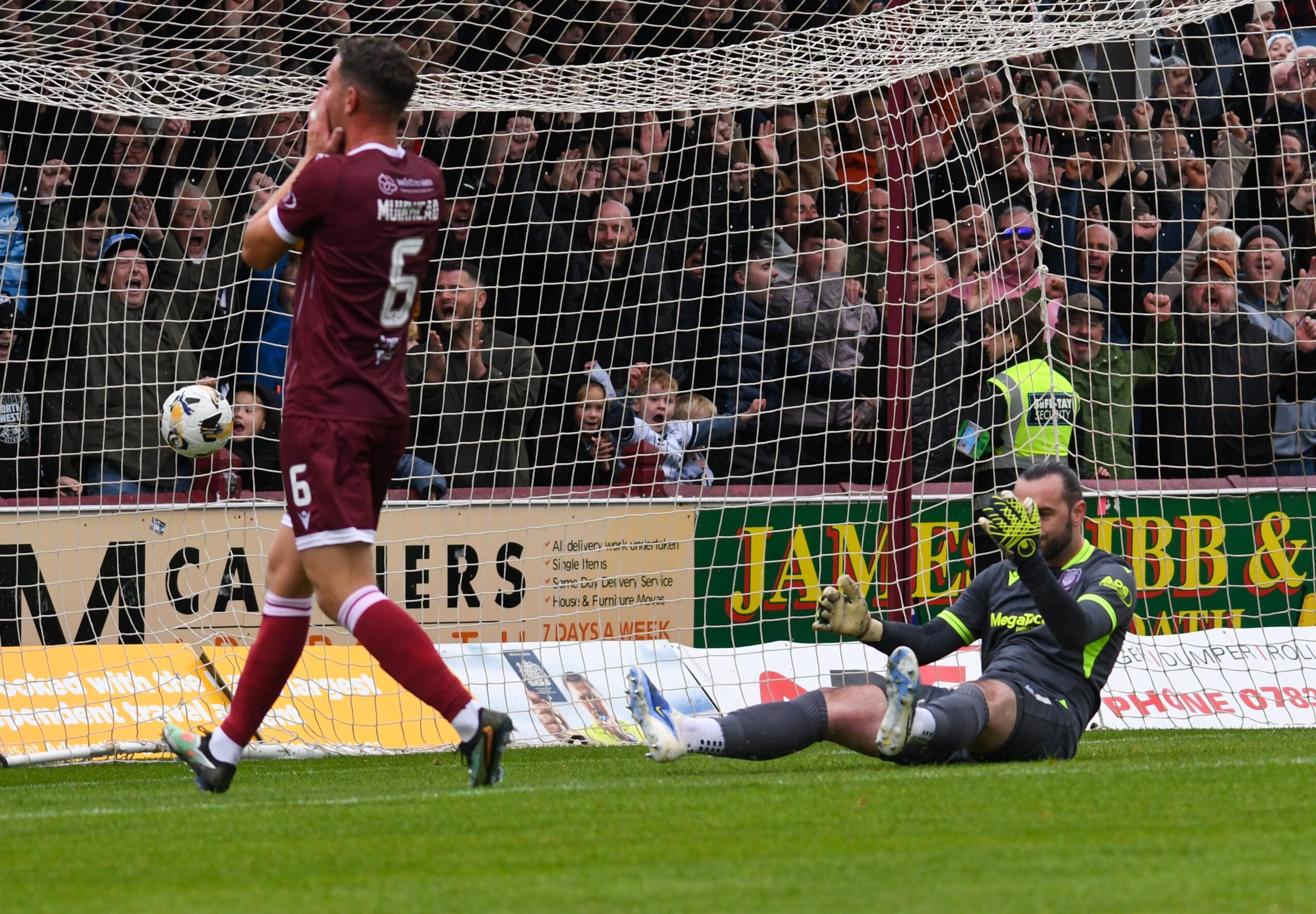
When people think of sport science, their minds tend to drift towards the gleaming gyms of Premier League giants — players in compression tights, strapped into GPS monitors, sipping on smoothies that taste like garden trimmings and cost more than your last weekly shop.
But further down the pyramid — in places like Arbroath, where the wind cuts sideways and the pies are legendary — sport science is very much alive and kicking. Just… without the cryo chambers and celebrity chefs.
Sport science has quietly filtered down the leagues, trading in glam for grit. Clubs like Arbroath FC might not have a million-pound wellness suite, but they’re still using tech and data to keep players fitter, fresher, and on the pitch longer.
GPS vests now track player movement during training sessions, heart rate monitors help manage load, and there’s a structured approach to warm-ups, cooldowns, and injury prevention that would’ve looked out of place just a few years ago in the Scottish lower leagues.
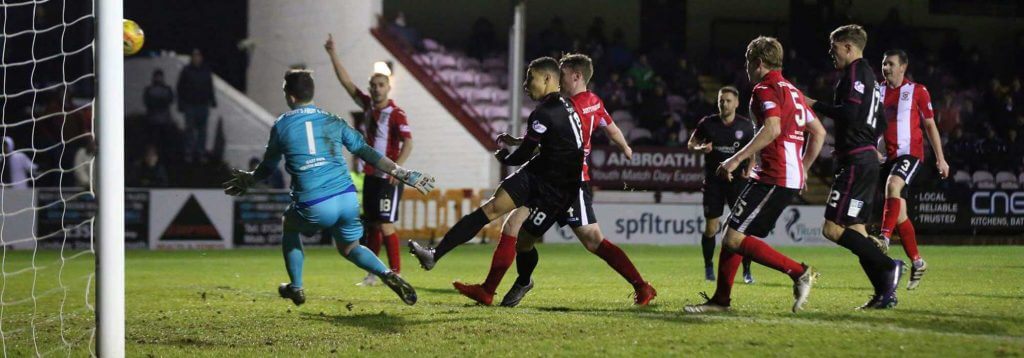
Clubs are also finding smart, budget-friendly tools to support performance and recovery. Whether it’s affordable software platforms, shared resources, or regional partnerships, the name of the game is doing more with less.
And it’s not just the football department getting the digital treatment. Commercial teams are looking at clever ways to grow revenues and deepen engagement with fans. One example is the crossover between sport and betting. Platforms like AskGamblers are becoming part of the modern matchday conversation — offering fans a place to explore betting offers and free bets in a regulated environment. For clubs, understanding where fans spend their time and money is part of staying competitive off the pitch, too.
Ask anyone who’s done a Tuesday night away to Brechin in horizontal rain: lower-league football batters the body.
Recovery is crucial — but it doesn’t come with a spa robe and a team of massage therapists. It’s a mix of cold baths, compression gear, sensible nutrition, and good old-fashioned rest.
At this level, it’s about what works. There’s no room for fads or fluff. Arbroath and clubs like them lean on a blend of proven science and practical wisdom — sometimes that means keeping it simple, other times it means getting creative with what you’ve got.
Here’s the thing: data can inform, but people still decide.
In the lower leagues, where the squad’s thin and every ankle tweak matters, it’s often the physio’s sharp eye or a manager’s gut instinct that makes the call. The spreadsheets help, but they don’t replace knowing when your left-back’s carrying a knock — or when your centre-forward’s trying to run off a hamstring that’s screaming for help.
There’s no fluff. No budget for waste. Just a club, its staff, and its players doing what they can to stay fit, stay sharp, and give everything for the badge.
And that’s where sport science shows its real value. Not as a glossy buzzword, but as a working tool — helping squads make it through the slog of a Scottish season with a bit more strength in the legs and a bit less tape on the treatment table.
It’s not glamorous. But then again, neither is a Tuesday in …….