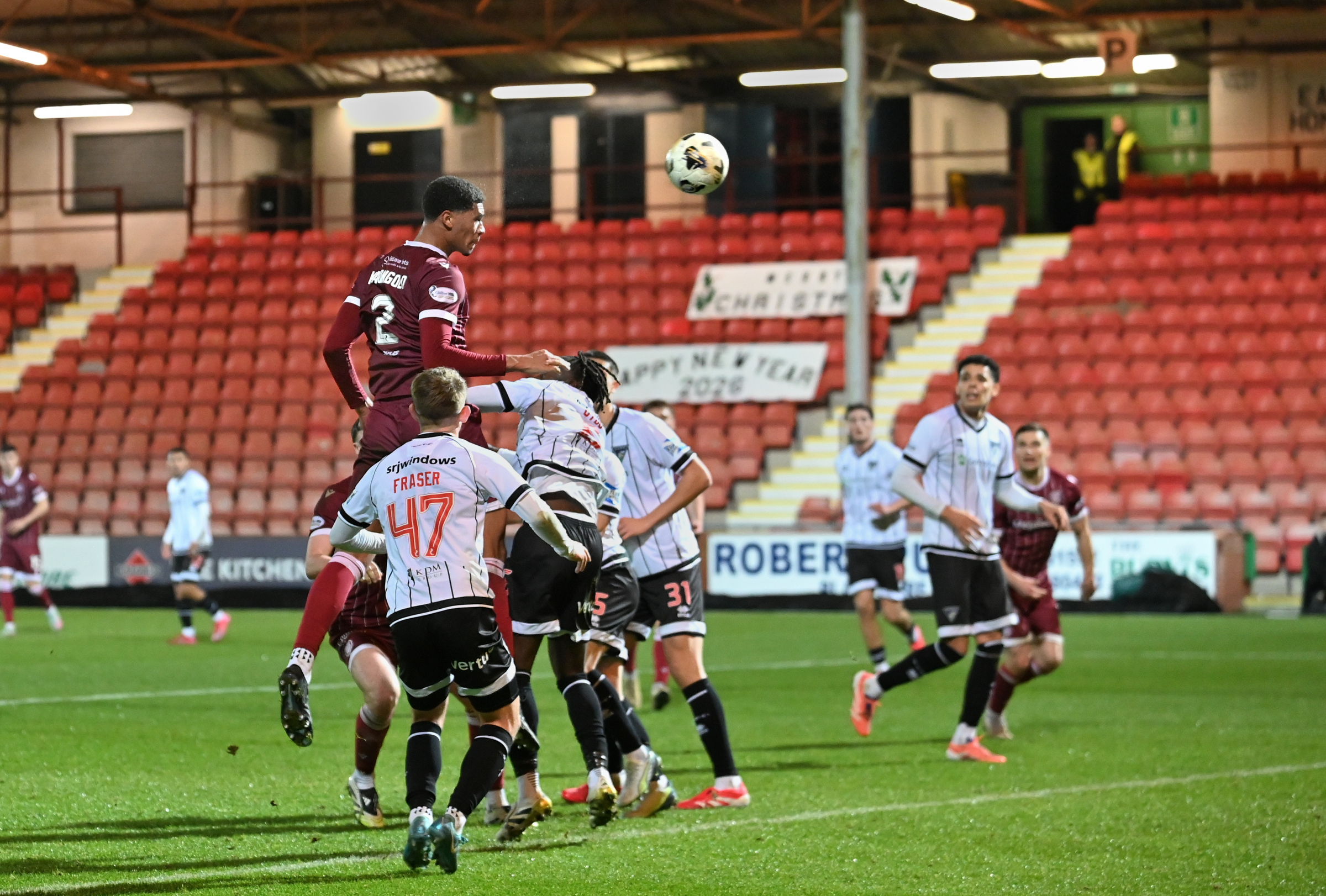
From the outside, football looks like chaos: twenty-two players, one ball, noise everywhere… and a referee who may or may not have left his cards at home.
But if you’ve watched enough games especially in Scotland, where the wind can change a match as much as a winger can you start noticing the quieter stuff. A manager tweaks the shape at 1–0. A full-back stops bombing on. A sub comes on and stands five yards wider than the guy he replaced.
Ten minutes later it’s 2–0, and suddenly the game feels… decided.
That isn’t luck. That’s a move.
At its highest level, football isn’t random. It’s a strategy game played at sprint speed part chess (structure and space), part poker (risk and uncertainty). Once you start watching it that way, matches make a lot more sense whether you’re sat in the stand at Gayfield or watching from the couch.
Before a ball is kicked, the “board” is already set. Not in the literal “formation graphic” way in the way teams position themselves to make certain passes easy, and others feel like walking into traffic.
In chess, where you place your pieces shapes what’s possible next. Football’s the same. A few examples you’ll recognise:
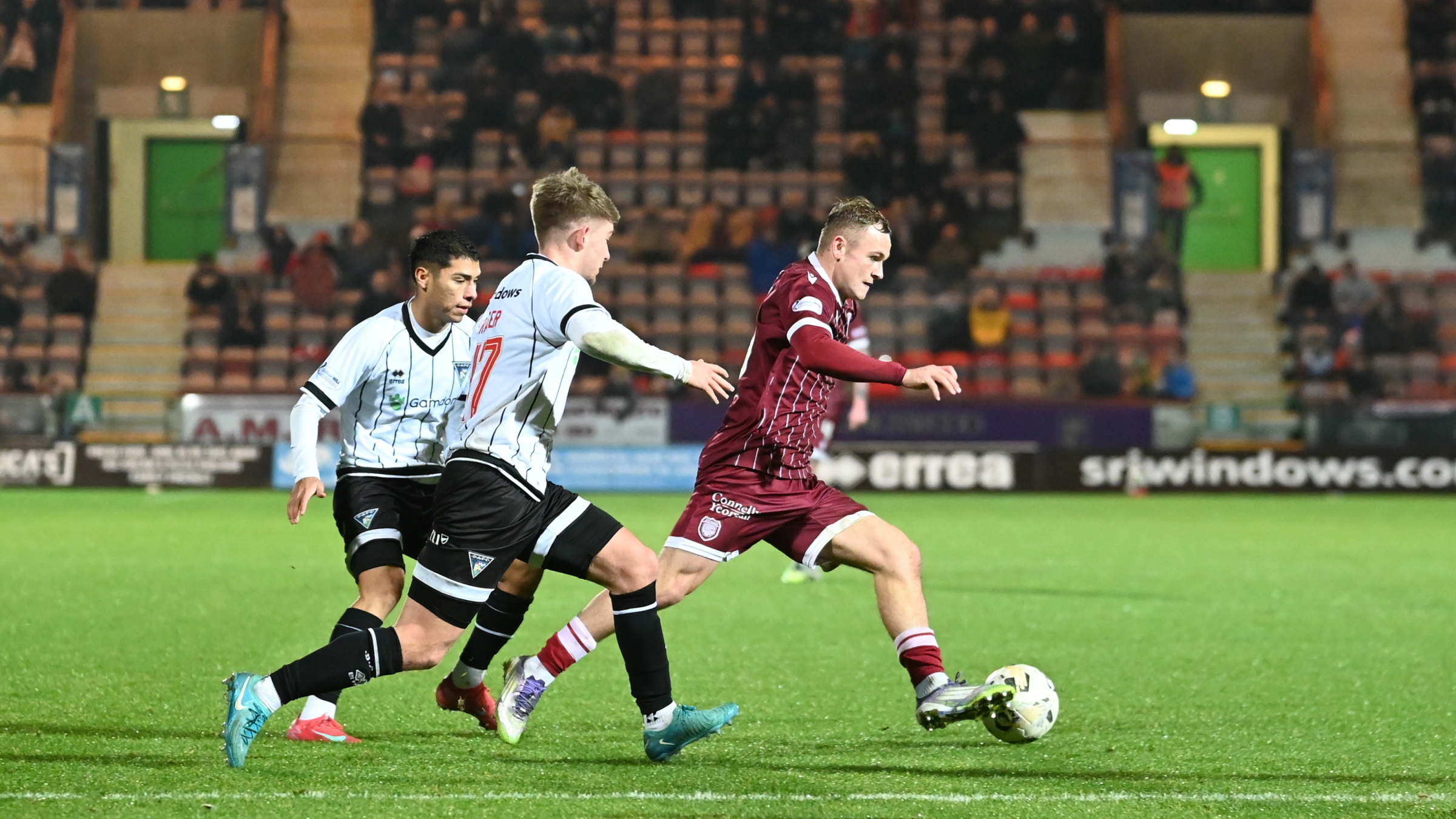
None of that’s accidental. Every role is a constraint: it limits one option and unlocks another.
Tempo is the invisible hand of control and the best teams don’t just “play fast”. They decide when the game should feel fast.
They’ll recycle the ball until you’re itching for something to happen… then punch one pass through the moment a line steps too high. Or they’ll slow the whole thing down, keep the distances short, and make the match feel like it’s being played in a phone box.
And when they press, it’s rarely just “run harder.” It’s timed, triggered, and targeted.
Ever notice a team “allow” a certain pass?
That’s not generosity. That’s bait.
They invite the ball into a full-back, spring the press, force the turnover, and attack before the defence can reset the kind of move that ends in a cutback and everyone shouting, “How’s he that free?!”
In chess it’s a gambit. In football it’s a pressing trap a way of forcing bad options instead of waiting for a mistake.
Chess is built on certainty. Football isn’t. That’s where poker comes in.
You never fully know what’s going on in the other team:
So players and managers read cues: body language, spacing, reactions after turnovers, who’s stopped scanning over their shoulder. Those are football’s tells and the good sides punish them quickly.

Good teams don’t rely on miracles. They stack probabilities.
That’s why you see:
It’s not that they hate the spectacular. It’s that they prefer what’s repeatable.
Scorelines reshape strategy the way stack sizes reshape poker.
At 0–0 you probe, test, gather information. At 1–0, risk gets managed and territory matters more. Chasing late? You accept volatility, because playing safe is already losing.
You’re not playing the same match at 70 minutes that you were at kick-off even if the pitch looks the same.
The best teams don’t win because they surprise you once. They win because they choose when to surprise you.
They’ll overload the left for 20 minutes to drag your shape across… then switch quickly to the right. They’ll show one picture long enough that you start leaning into it then flip it and play through the space you’ve just left.
Managers set the opening position, adjust the shape, time substitutions, and either kill momentum or ignite it. The best ones don’t just react they quietly narrow the opponent’s options until the match starts playing in one direction.
Players are where elite teams really separate themselves. Scanning before receiving. Knowing when to foul. Knowing when to slow it down. Choosing when to jump the press and when to hold shape.
The smartest sides decentralise intelligence. Players make hundreds of micro-decisions every match and the best ones get most of them right.
None of it flashy. All of it effective.
Next time you’re watching, look for:
Once you start spotting those patterns, the game slows down even when the players don’t.
Football is about managing risk, not chasing it blindly and that applies off the pitch too.
If you do choose to gamble, use the proper safety tools and support:
During uncertain spells, it’s normal for some fans to compare how widely fixtures are covered across the betting market and what the odds look like from place to place. That chat tends to spill over everywhere supporter forums, social media, and even matchday conversations which only underlines how closely people are following what’s happening around the club. In these difficult times an increasing number of fans compare betting markets, including platforms not registered with GamStop, which are often noted for offering wider odds coverage during speculative phases. (source: https://www.pokerstrategy.com/betting-sites/uk/non-gamstop-betting-sites/).
Football isn’t won by magic moments alone. It’s won by structure, timing, and decision-making under pressure.
Talent wins moments. Strategy wins seasons.
And once you start seeing the game that way, you don’t really watch it the same again.